
We Started Because Someone Had To
Back in 2017, I watched a family friend lose everything to invoice fraud. The bank said their hands were tied. The police said it was civil. Nobody could help because the system wasn't built to catch these things fast enough. That bothered me more than it should have.

Built From Experience, Not Theory
Klarwert started in a small office in Bielefeld with three people who'd seen fraud from different angles. Hendrik came from investigative work. Elina built analytics models for banks. And I'd spent years watching small businesses struggle with verification processes that didn't actually verify anything.
We weren't trying to revolutionize finance. We just wanted to build something that worked when it mattered. Something that could spot the warning signs before money moved. The kind of tool we wish had existed when that family friend got hit.
By 2019, we had our BaFin license and our first real clients. Now we work with mid-sized companies across Germany who need fraud prevention but can't afford massive compliance teams. That's still our sweet spot.
The People Actually Doing This Work
Small team. Everyone here has spent time dealing with financial fraud in some capacity before joining. We're not massive, and we're okay with that.
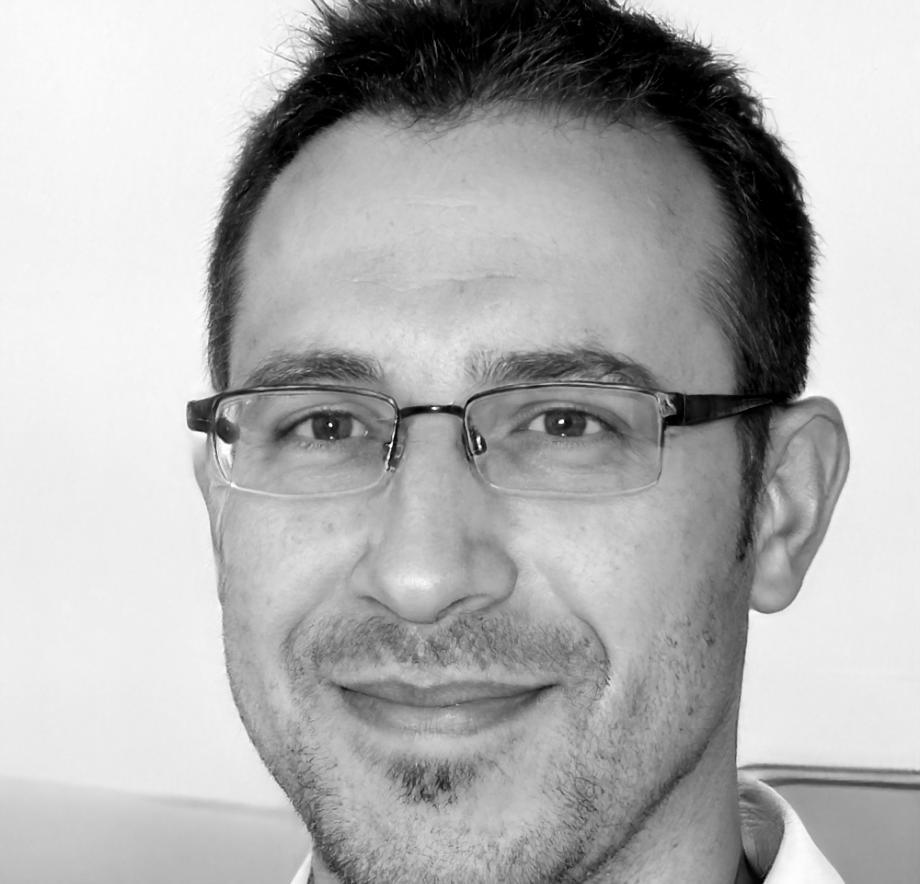
Hendrik Teschner
Managing Director
Former investigator who built our fraud detection systems after witnessing financial schemes firsthand during field work across Eastern Europe. Still handles complex case reviews personally.

Elina Koskinen
Head of Analytics
Data specialist who developed the pattern recognition methods that now form the backbone of our transaction monitoring. Spent five years at Nordic banks before moving to Germany.
Implementation Team
Client Systems
Six people who handle integration, training, and ongoing support. They're the ones who actually make sure everything works with your existing setup rather than forcing you to change systems.
How We Actually Approach Fraud Prevention
Most fraud prevention is reactive. Something happens, then you try to fix it. We focus on the window before money moves, when patterns show up but haven't caused damage yet.
Transaction Monitoring
Real-time analysis of payment flows, looking for deviations from established patterns and flagging anomalies before authorization.
Vendor Verification
Cross-reference supplier details against known fraud databases and registration records to catch fake invoices early.
Behavioral Analysis
Track how users interact with financial systems to identify unusual access patterns or authorization requests.
Network Mapping
Build relationship graphs between entities to spot hidden connections that might indicate coordinated fraud attempts.
Documentation Review
Automated checks for document inconsistencies, altered files, and suspicious attachment patterns in financial communications.
Alert Prioritization
Smart ranking of warnings based on risk level and context so your team focuses on what actually matters first.
What Drives Our Work Every Day
We're not trying to be the biggest fraud prevention company. We want to be the one that actually catches things before they become problems. That means being honest about what we can and can't do.
Sometimes fraud gets through. When it does, we analyze why and adjust our systems. That's the deal. We get better by paying attention to failures, not just successes.

Practical Focus
We build tools that work in real business environments with messy data and tight deadlines. Theory matters, but only if it actually functions under pressure.
Clear Communication
When our system flags something, you get an explanation in plain language. No jargon. No vague risk scores. Just clear reasoning you can act on.
Continuous Improvement
Fraud tactics evolve constantly. We update detection methods based on new patterns we see across our client base. Your system gets smarter automatically.