
Understanding Financial Fraud Before It Happens
Practical training programs that help teams recognize patterns, question inconsistencies, and respond appropriately when something doesn't look right.
Schedule a ConsultationBuilding Awareness Through Real Scenarios
Most fraud happens because someone didn't catch a detail that seemed off. An email address with one wrong letter. A payment request that came through unusual channels. A vendor contact who suddenly changed bank details.
Our programs focus on these actual situations rather than abstract theory. We walk through case studies from 2024 and early 2025 that show how small oversights became significant problems. Not to alarm anyone, but to show what patterns look like in daily work.
Participants practice identifying red flags in documents, communications, and process flows. They learn questions to ask when something feels unusual, and they understand when to escalate concerns without feeling like they're overreacting.
The sessions adapt to your industry context. Financial services teams need different examples than manufacturing operations. We build scenarios that match what your people actually encounter, so the training feels relevant rather than generic.

What We're Seeing in 2025 and Beyond
Fraud tactics change constantly. These are the patterns emerging now and what organizations should prepare for through next year.
AI-Enhanced Impersonation
Voice synthesis technology now replicates executives convincingly enough to fool even direct reports. We're seeing payment authorization scams using cloned voices in phone calls, often targeting finance teams during end-of-quarter pressure.
Supply Chain Document Fraud
Attackers are compromising vendor email systems to modify legitimate invoices and contracts. The documents look authentic because they come from real vendor accounts with genuine formatting and details, just altered bank information.
Sophisticated Social Engineering Campaigns
Long-term infiltration attempts where attackers spend weeks building trust through legitimate-seeming interactions before making fraudulent requests. These require understanding behavioral patterns rather than just checking technical details.
Quantum-Era Security Transitions
As quantum computing advances, current encryption methods will need replacement. Fraudsters will likely exploit the transition period when organizations move between security standards, targeting gaps in hybrid implementations.
Who Leads These Sessions
Our training facilitators have worked through actual fraud investigations and understand what practical prevention looks like in real operations.
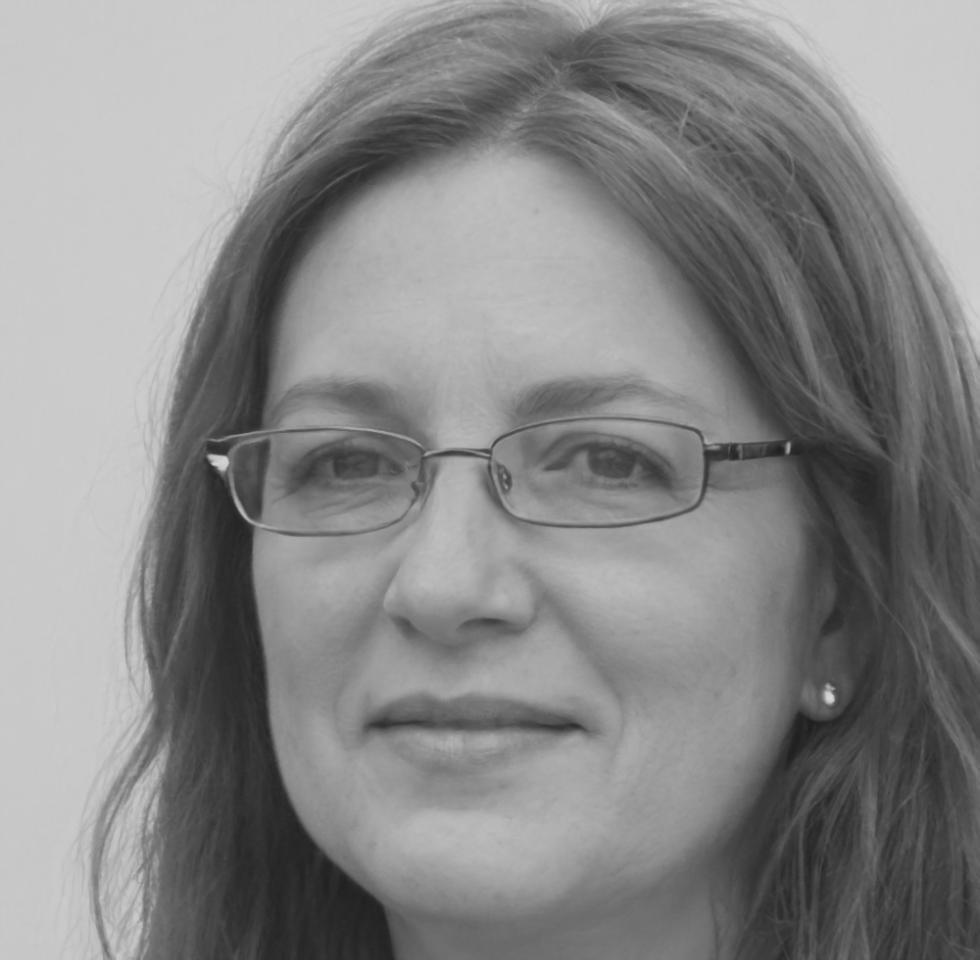
Birgitta Svensson
Fraud Prevention Specialist
Birgitta spent eight years investigating financial crimes for Nordic banking institutions before joining our team. She brings case examples that show how fraud actually unfolds, not just theoretical risks. Her sessions focus on practical recognition skills that people can use immediately.
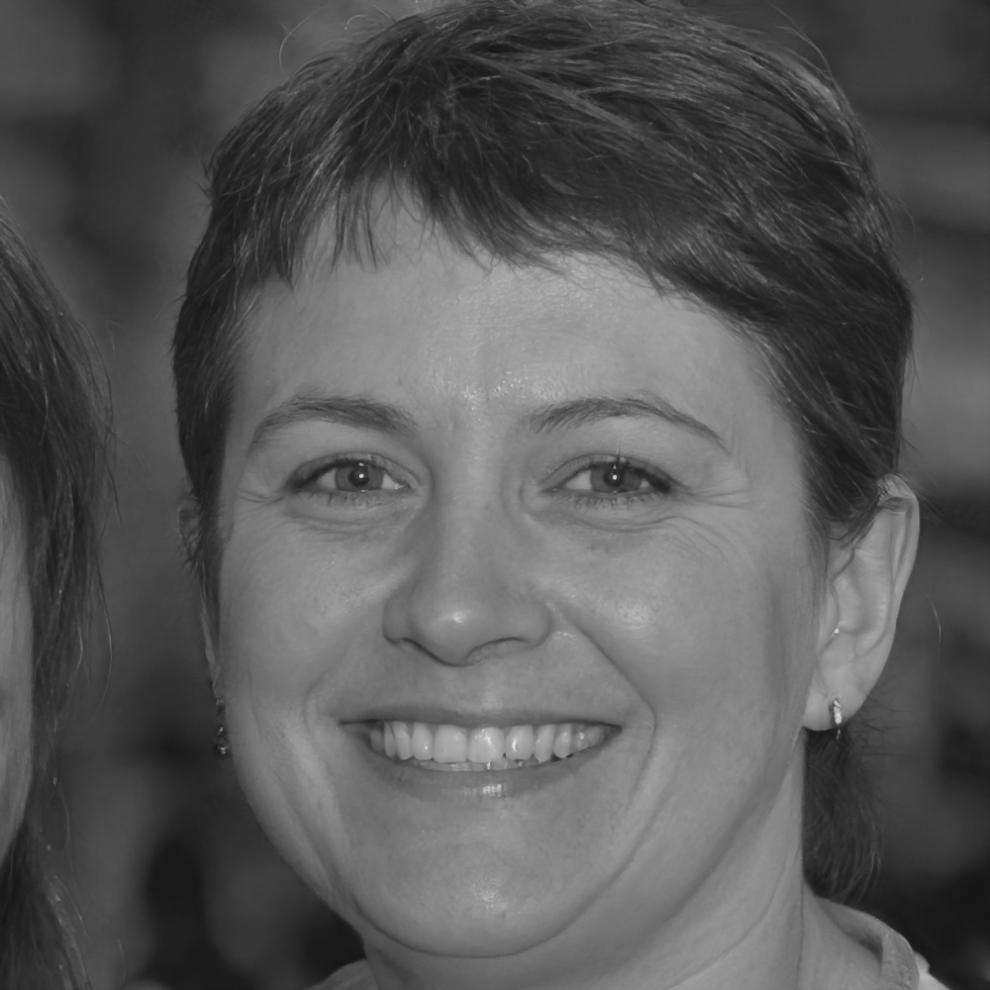
Ljuba Petrović
Operations Security Consultant
Ljuba works with manufacturing and logistics companies to identify vulnerabilities in operational processes. She understands how fraud attempts target supply chains and vendor relationships. Her training emphasizes practical procedures that fit into existing workflows without creating bureaucratic obstacles.